
Stevenson was having difficulty feeling comfortable at the top of his backswing, almost as if he was pulling away from the ball.
Check out what we found out!
Fill out our contact form to set-up your own customized golf evaluation!


Curious about knee sleeves? Here’s what you need to know:

With every exercise we prescribe, there should be specific intention that leads to a meaningful adaptation. Prescribing bird dogs with the rationale of ‘core stabilization’ often leaves a lot to be desired.

By simply adding a few sets of jumping/throwing/plyos before your strength work, you can add meaningful power / athletic development with just a few extra minutes on each movement. Some might even claim it can ‘prime’ your nervous system to lift heavier.
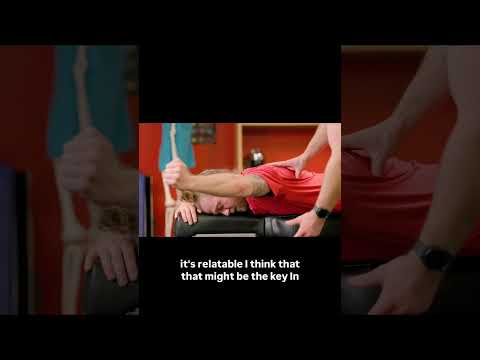
1. Pattern Recognition
2. Understand the real demands of your sport/life
3. Relatable communication
4. Being ‘pain free’ is not the same as being ‘prepared’.
5. Smarter decision making and better guidance.
6. Rehab IS training.
7. When the athlete/person is understood, confidence follows.
Most things don’t get ‘fixed’ with short-term, unsustainable changes. You need to give it time. You need to stay with it to see reliable, predictable, and sustainable improvement.

Get a plan that fits your presentation, your life, your needs, and your goals.

Movement Scaling: modifying aspects of a movement to match one’s current capacity, while largely retraining the overall purpose for performing the movement.

Athlete: anybody who endeavors to improve physical or metal qualities related to any sport or activity.
Encouraging every person to think of themselves as an athlete can have a massively positive impact on public health.

A 2015 study demonstrates that runners who rotated their shoes had a 39% reduced injury risk.
Revolution isn’t just a buzz word.
Our healthcare system fails to prioritize strategies that promote sustainable wellness and self-efficacy. Leaving people searching for answers in a revolving door medical model.
Physical Therapy as it primarily exists in our current healthcare model is misunderstood and poorly applied. We have a larger role to play, and it can be done more effectively.
Through the promotion of a care model that values individualization, education, performance, self-efficacy, sustainability, and more…Movement Revolution is waging a war against the current model.

Do you workout to support your golf game? What does a ‘golf workout’ even look like?
I think for most of us, it should be something that focuses on developing overall strength, power, balance, and conditioning, with considerations for the movement profile of a golf swing, merged with individual needs and goals. To drive adaptations that improve performance and longevity on and off the course.

Both of the following statements about warm-ups are true:
Warming up is important. Effective warm up routines have been shown to reduce injury and improve performance.
Excessively long warm up routines are not a good use of your valuable time dedicated toward your fitness.


Training your hip flexors through a full range of motion can be a game changer.

I use foam rollers all the time in rehab and training…but usually not for rolling on.


Resistance bands: often underloaded, and a non-uniform loading profile.
Here’s why I think you should usually opt for a cable instead.

What should you consider when selecting a running shoe?
1) Comfort
2) Activity appropriateness
3) Biomechanics and foot structure bias

Physical Therapy is the management of our vitality through movement, mindset, lifestyle, and connection with our body.


Grip strength is a good metric to gauge total body strength.
Grip strength also has a strong correlation with longevity and quality of life in aging populations.
We can confidently say that building overall strength and muscle tissue is a key to longevity.

Training explosiveness mitigates the age-related decline in power.

Accessory movements, such as direct rotator cuff training, are frequently underloaded. Start treating them like your main lifts to drive real physiologic adaptation.

The goal here is to restore full ROM (movement), and to directly stimulate the involved musculature at a tolerable level (ISOs).
Everything you need to know about what the hamstrings do!
Check out my other videos on the hamstring rehab process.

Progressive Loading Phase: The gradual reintroduction of mechanical stress to the involved tissue.

Rehab is the interplay of building confidence while addressing vulnerability!

Your rehab should adequately prepare you for the activities you plan to return to. If you aren’t working up to and demonstrating a full go in rehab, we’re leaving the job unfinished and simply hoping that it’ll be alright.

Is this ideal? No.
Is this realistic? Yes.
Four movements, 30 seconds each, perform twice.


Try this simple exercise complex to target some important but overwhelmingly undertrained muscle groups!

Why the key to unlocking your tight groin might be strengthening, not more stretching!


Check out three of my favorite shoulder exercises to improve golf performance!

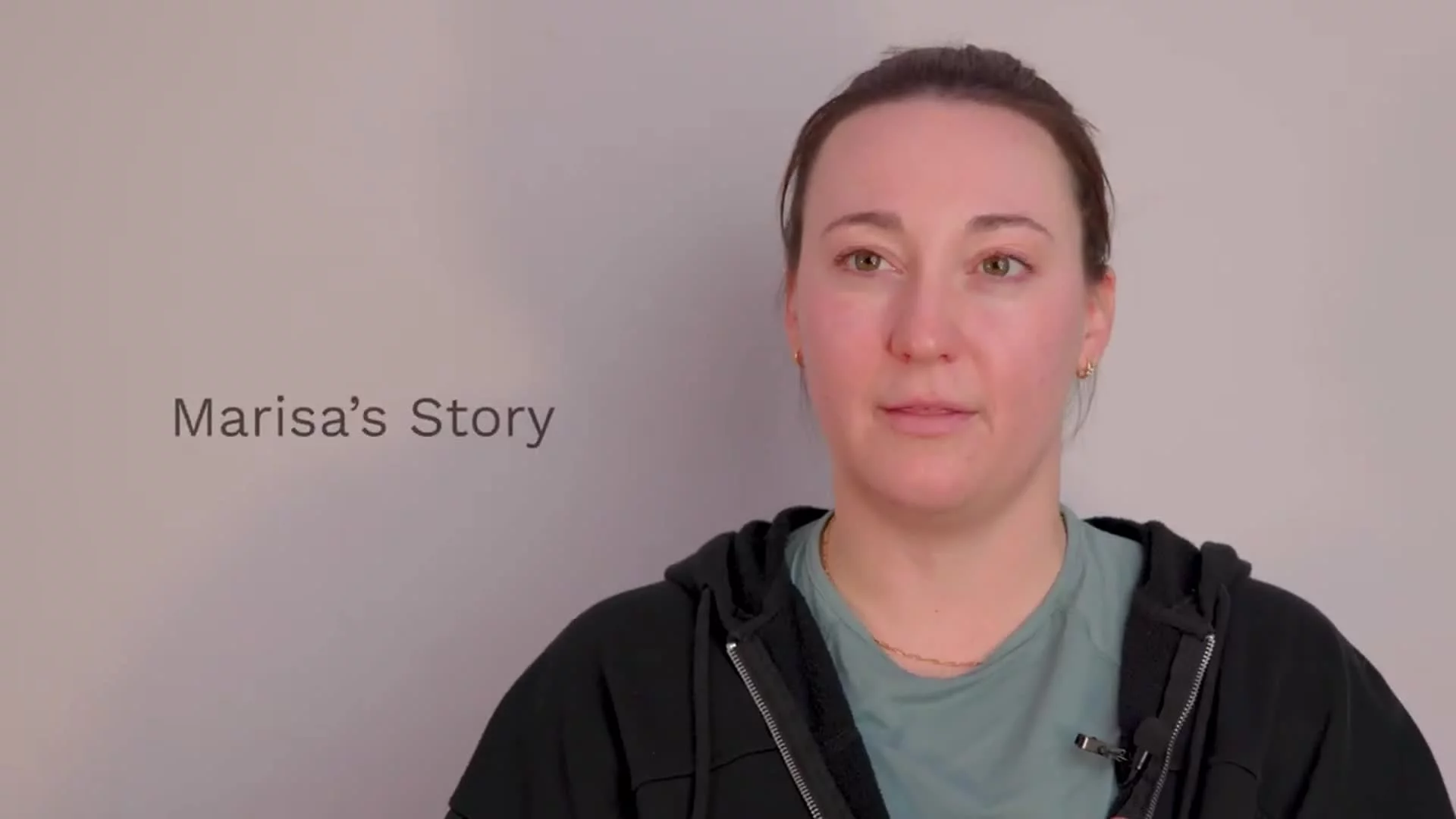
Check out how Marisa rekindled her competitive spirit and her confidence to push herself through our personalized and empowering care experience!

Strength training provides benefits that running alone cannot.
Strength training improves running economy, but more importantly, provides significant benefits for longevity and healthy aging.
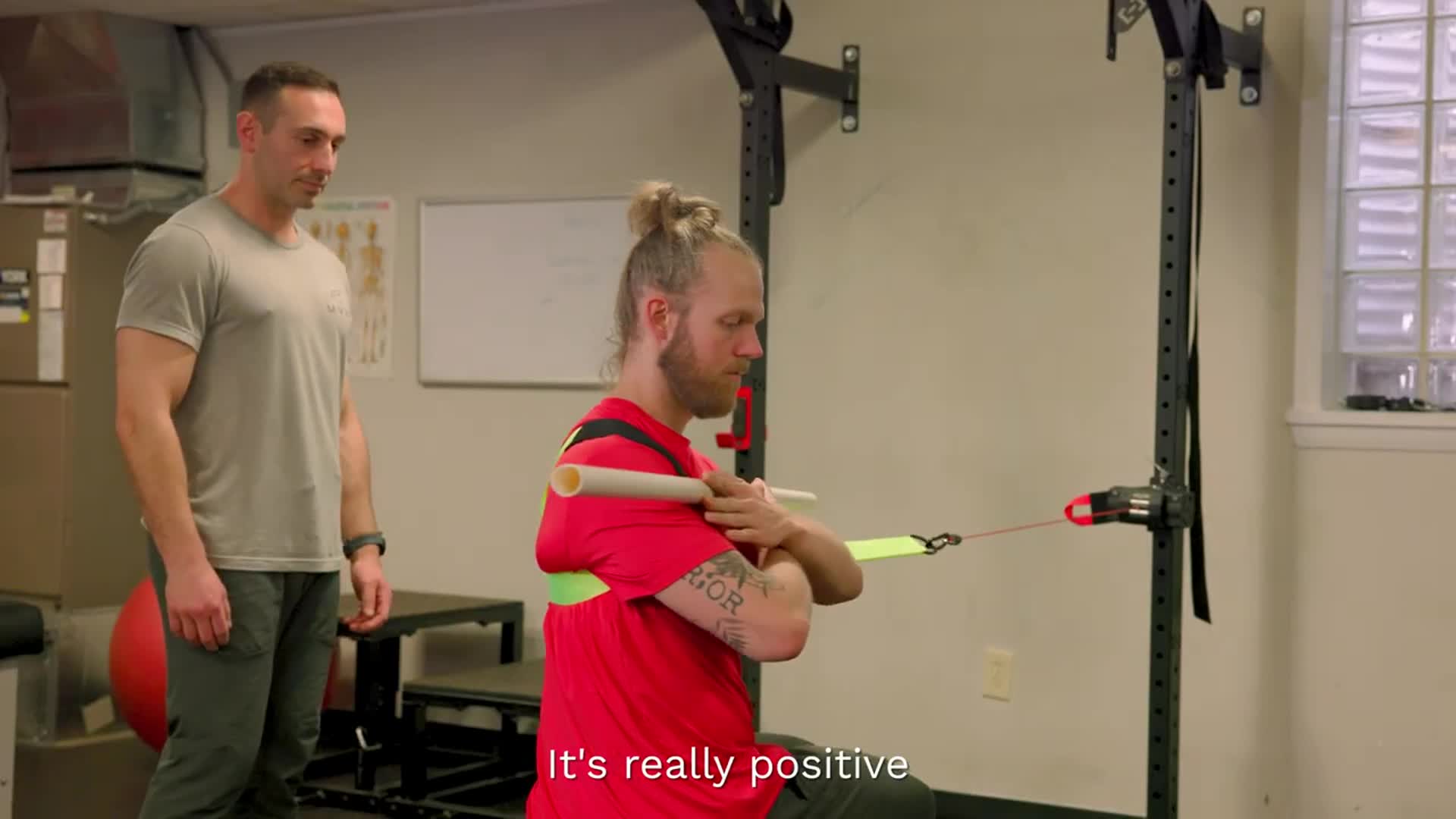
Like many others, Bill found it difficult to find consistency and a solid plan seeking care through traditional mainstream medicine. Fragmented care, disconnected systems, and providers suggesting interventions without knowing the full story just doesn’t cut it. Check out how Bill found what he was searching for with Movement Revolution’s personalized and collaborative approach.
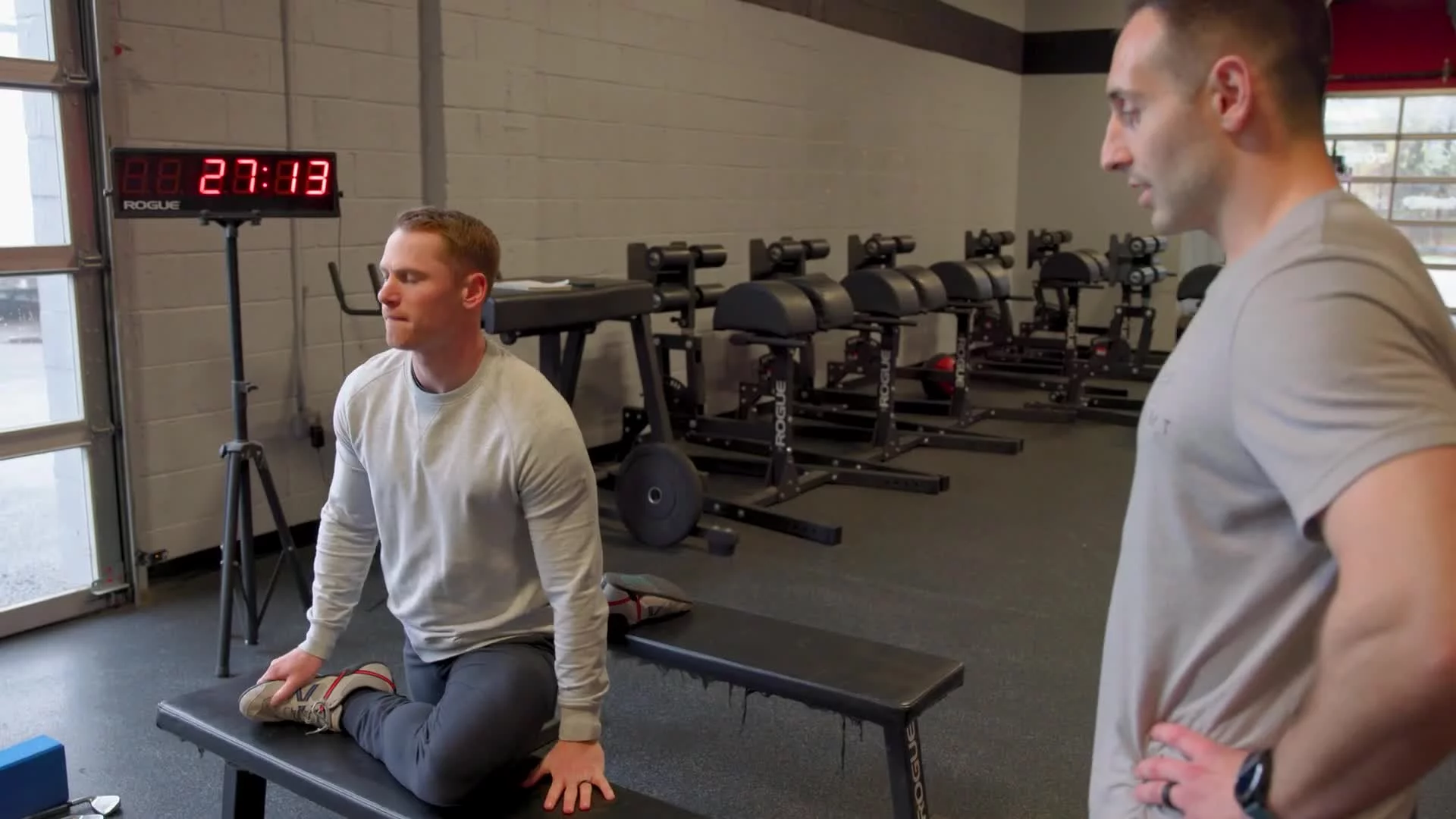
Check out how Matt balances performance, work, and family with a customized, effective, and practical approach to Physical Therapy.

If you’re a golfer, runner, crossfit or hybrid athlete, you know there’s detail and meaning behind the sport that can’t be fully understand unless you’ve done it.
I’ve dedicated much of my life to not only participating in these sports, fighting the same battles you fight, but also constantly developing and refining my approach in order to deliver the most effective rehabilitation and performance experience possible.
AND I ABSOLUTELY LOVE IT.
When someone entrusts me with their care, I understand how much these things really means to them.
I’ll never take that opportunity for granted.

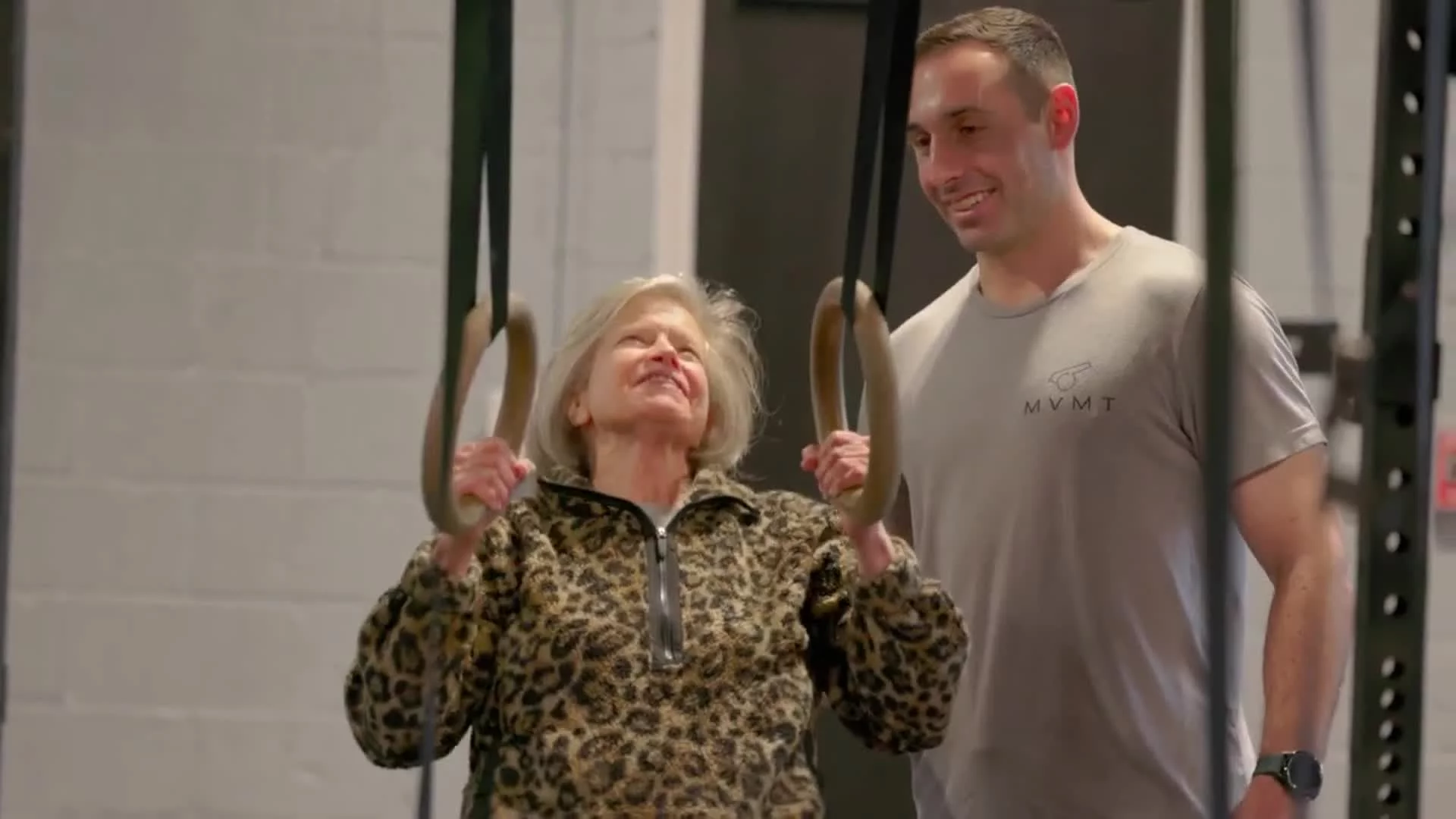
Check out Lyn’s journey from experiencing debilitating hip pain and limited function after a major accident - to now thriving and progressing in all areas of her life without pain.

Shoulder pain at the bottom of a bench press? Something I’ve seen so many times, and this strategy rarely misses.
1. Pin Press: Utilizing a constraint to protect the painful range of motion allows you continue high effort pressing without increasing pain. This also provides a nice rehabilitative stimulus as well.
2. Rack Press Overcoming Isometric: Utilizing an isometric to improve positional and load tolerance is a game changer. Force production is guided by the individual, so you can take what your body gives you without overdoing it. After a performing this consistently, you’ll likely find that you can press harder with less pain in previously challenging positions.
3. A comprehensive rehabilitation program finds every opportunity to improve capacity. This strategy is most effective when it’s just a piece of the larger puzzle.

🚨Return to sport reactive agility progression🚨
1. Planned Movement:
When your brain knows a movement is coming, it is better able to prepare your body to perform the movement. These drills make sure you’re able to perform a movement at a high level - done with intention and high intensity to maximize return. Needs to be done well before moving to reactive drills.
2. Unplanned Movement:
The difference between many drills and actual game play is reactivity. Mind-body connection is important here with a focus on coordination and accuracy, while sacrificing as little intensity as possible.
3. Unplanned Movement with Dual Tasking:
Forcing a diversion of your focus away from the movement pattern in order to simultaneously complete another skill. When retuning from an injury, it’s important to demonstrate the ability to move well subconsciously while performing another task, as that’s what will occur in sport.
4. Movement with Disruption:
Can you react when someone impedes or disrupts your movement? Improving body awareness and developing reactive correction strategies can help reduce the likelihood of injury. This also provides exposure and practice to landing in a variety of non-conventional positions.

Should your knees go over your toes?
If you are a human-being with expectations of doing anything even remotely athletic, then they absolutely should!
My client shown here is a high level skier. It is essential to regain strength and confidence in a positive shin angle (knee over toe) in order to return to the slopes at full participation.
I’m not sure where the fear-mongering for this movement pattern started, but like most demonized movement patterns, it’s just difficult and maybe even painful if you haven’t prepared your body to perform it.
There’s no inherently bad exercises or movements, just ones you’re not prepared for.
Not sure how to prepare your body for the demands of life and/or specific activities? We offer a free consultation call.

📍 Isometrics in Rehab
An isometric muscle contraction is when the muscle contracts but does not shorten or lengthen. Generally it involves producing force into an immovable object, or resisting movement through stabilization.
📈 Graded exposure to painful movement patterns and positions.
💪 Easy to track and progress through increasing force production and challenging different positions.
🎉Improve confidence and reduce pain.

After completing a 100-mile run in 24 hours, Wes developed debilitating shin pain that temporarily sidelined him from normal movement. His rehab began with a short period focused on calming inflammation, restoring range of motion, and reactivating muscles through isometric exercises. As symptoms improved, training progressed to loaded, weight-bearing movements targeting strength, stability, and mobility. Before returning to running, a plyometric progression was introduced to prepare his body for impact and volume. Just five weeks later, Wes not only returned to running but completed all three races at the Spartan World Championships in one weekend—demonstrating a successful, well-managed recovery.

If I had to choose just one exercise for runners, it would target the calf and Achilles complex, which plays the largest role in running propulsion. By increasing Achilles tendon stiffness, the tendon’s elastic properties improve, creating a more spring-like effect during running. This enhanced elasticity helps runners generate force more efficiently, contributing to better performance and potentially reduced injury risk.

The video highlights how neck mobility plays a critical role in proper golf swing mechanics. During the backswing, sufficient cervical rotation is needed to allow the club to reach the correct position. When neck mobility is limited, the swing cannot simply stop—so the body compensates, often by over-rotating through the lower back instead of the thoracic and cervical spine. This compensation can lead to low back pain that is mistakenly treated as a back issue, when the root cause is actually restricted neck mobility. The video ends by demonstrating a quick test—turning the head and tucking the chin to the collarbone without shrugging or opening the mouth—to confirm whether cervical mobility is adequate.
